

Designing a Family-Friendly Home Without It Looking Like One
There’s a moment in almost every project where the conversation shifts from “we want it to look beautiful” to “we also have kids, a dog, and a real life happening here.” And the assumption is usually that those two things are at odds. They’re not. In fact, most of our work as a Westchester interior designer lives right in that balance - creating homes that feel elevated, but still hold up to everyday life.
Start With Materials That Can Handle It
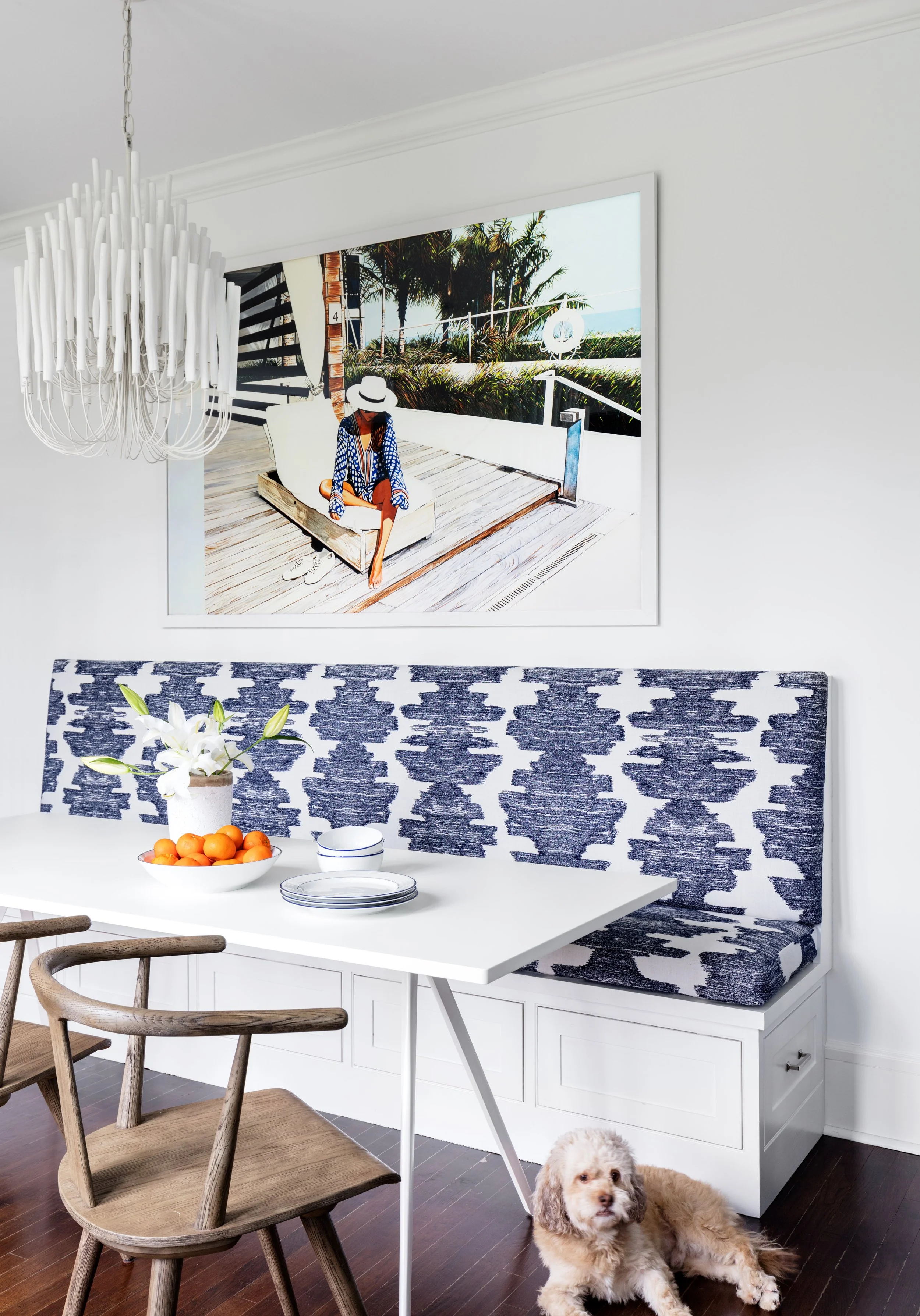
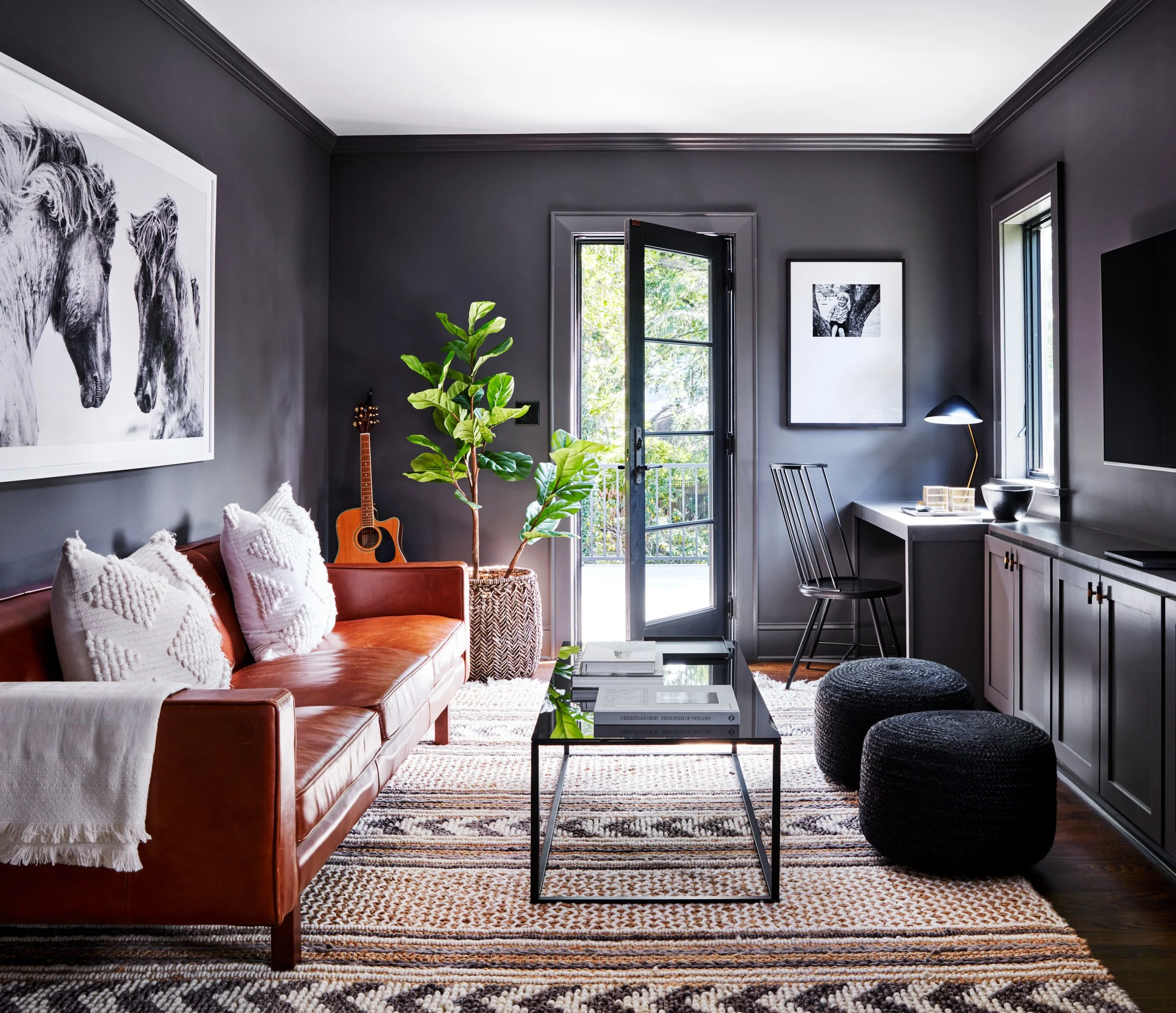
A lot of this comes down to what you don’t notice right away. The fabrics that don’t stain, the finishes that don’t show every fingerprint, the rugs that can take a hit and still look intentional. Performance materials have come a long way, and when they’re used correctly, they don’t read “practical” - they just read right.
In several of our Westchester projects, we’ve leaned into layered neutrals and natural textures that feel soft and refined, but are actually doing a lot of heavy lifting behind the scenes. Linen blends, durable weaves, and forgiving tones make a space feel relaxed instead of precious.
Layout Matters More Than You Think
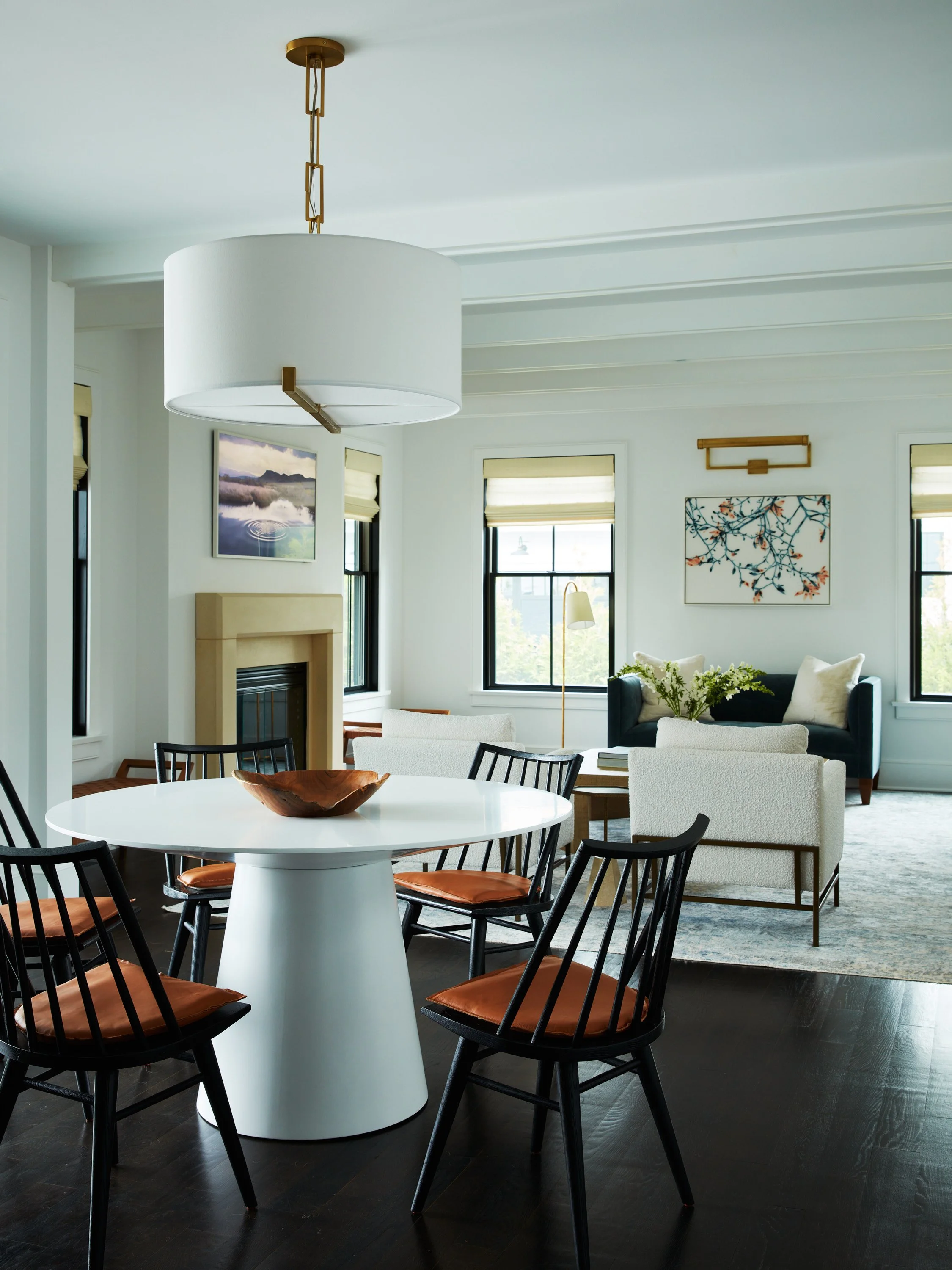
A family-friendly home isn’t about squeezing in more storage - it’s about giving everything a place to land.
In homes like Project Pleasant Ridge, we focused on opening up sightlines and creating better flow between rooms, which makes the space feel calmer even when it’s being fully used. When a layout works, you don’t feel like you’re constantly managing the house. It just functions.
We often think about:
Where things naturally get dropped (and designing for that)
How rooms connect visually, not just physically
Creating zones that feel intentional, even in open layouts
It’s less about adding more, and more about editing what’s already there.
Keep the Palette Controlled
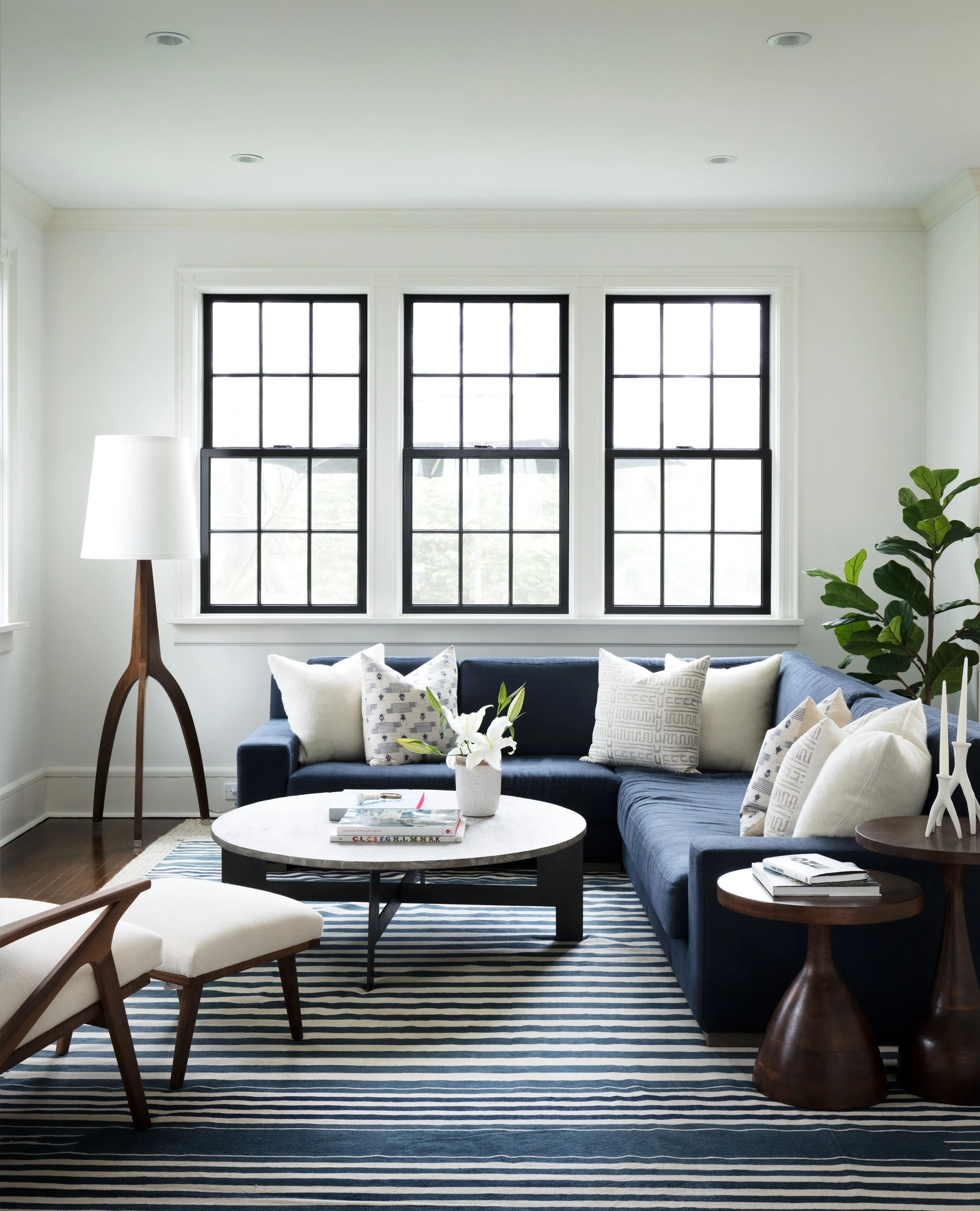
One of the easiest ways a home starts to feel chaotic is through color. Kids’ items, books, toys - they all bring visual noise. The trick is giving them a quieter backdrop.
We tend to keep the foundation of a home fairly restrained - warm neutrals, soft contrast, layered textures - so that whatever gets added still feels like it belongs. It’s the same approach we take in projects like Midway, where natural wood tones and a cohesive palette create a sense of calm, even in a space designed for gathering and activity.
It doesn’t mean everything has to be beige. It just means the color choices feel intentional.
Let the Architecture Do Some of the Work
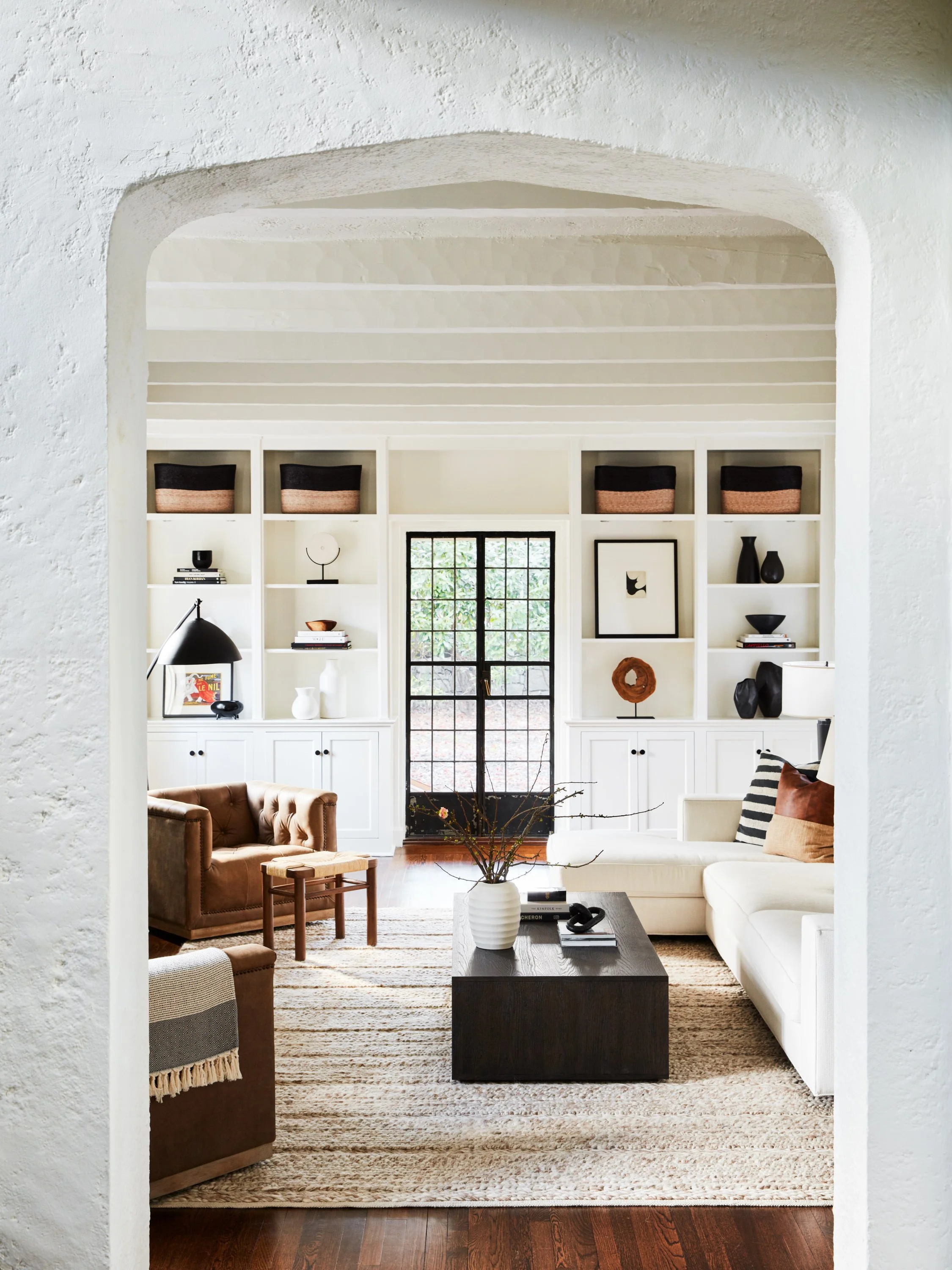
The strongest family homes don’t rely on decor to carry everything. They’re grounded in architectural decisions - millwork, built-ins, thoughtful openings - that give the space structure.
In many of our Westchester County projects, we’ll refine what’s already there rather than starting from scratch. That might mean reworking built-ins, widening openings between rooms, or reinforcing details that make the home feel cohesive.
Once that foundation is in place, everything else falls into line more easily.
Design for Real Life (But Edit What You See)
This is usually the part people get wrong. A family-friendly home doesn’t mean everything is hidden away. It just means what’s visible feels considered.
We’ll often incorporate:
Closed storage where it matters (mudrooms, play zones)
Styled surfaces that can flex (not overly precious)
Pieces that can shift function as life changes
Because the goal isn’t perfection - it’s ease.
At the end of the day, the homes we design are meant to be lived in fully. We’re not interested in spaces that look good for a photo and fall apart the second someone sits down. The best interiors feel layered, relaxed, and a little effortless, even though they took a lot of thought to get there.
If you’re designing or renovating a home in Westchester, Larchmont, or the surrounding areas, and trying to strike that balance between livable and elevated, it’s something we think about on every project.
Photo Credit: Tim Lenz