

Why So Many Westchester Renovations Still Feel Cold After the Dust Settles
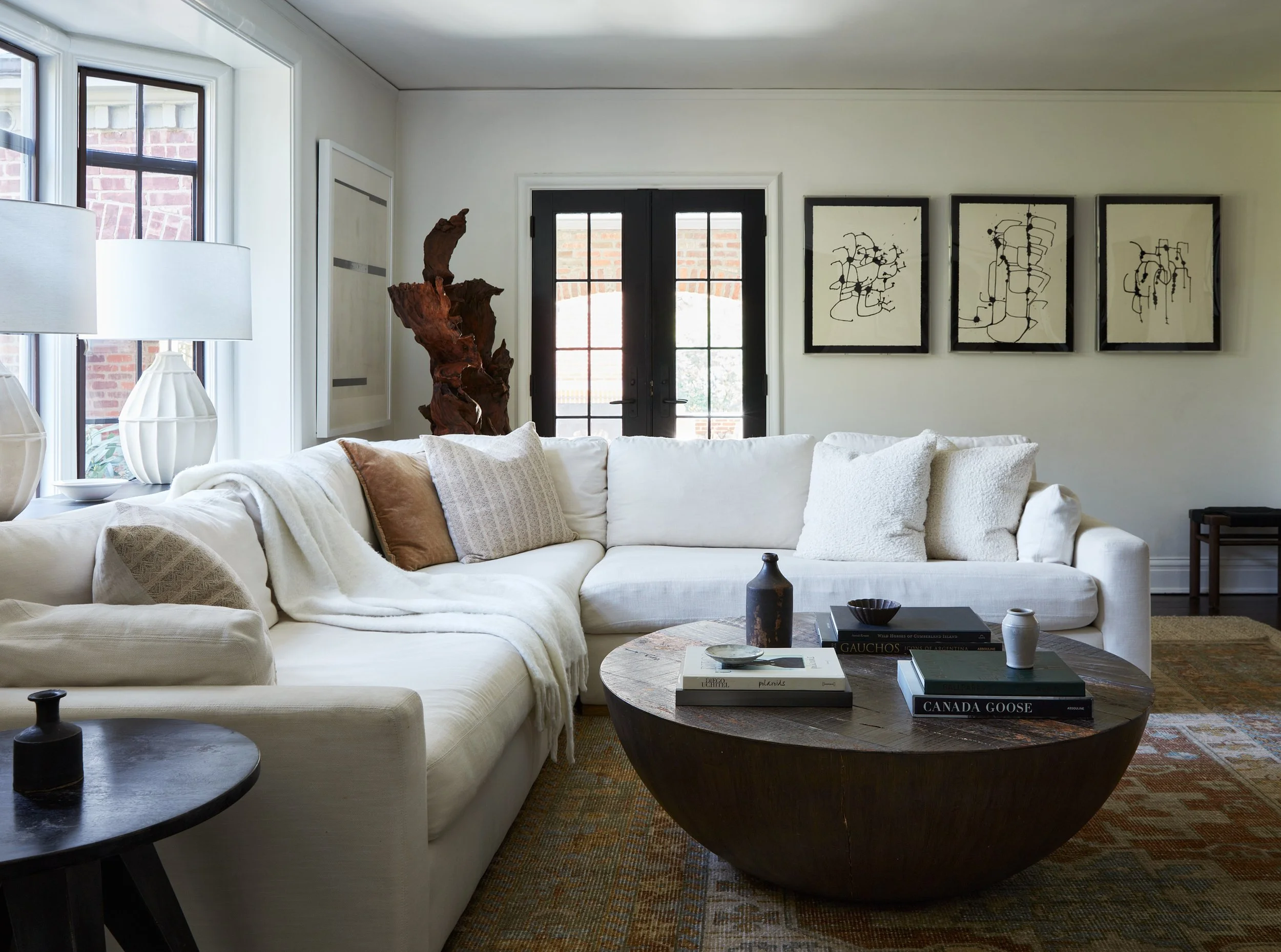
Layered materials, varied textures, and softer edges keep this room from feeling overly stark despite the restrained palette.
A lot of renovations photograph beautifully right after completion. New kitchen, fresh millwork, unlacquered brass, marble everywhere. But six months later, many of those homes still feel oddly unfinished once real life moves back in.
Usually, it’s not because the house needed more furniture or more decoration. It’s because the renovation focused almost entirely on surfaces instead of how the home would actually function day to day.
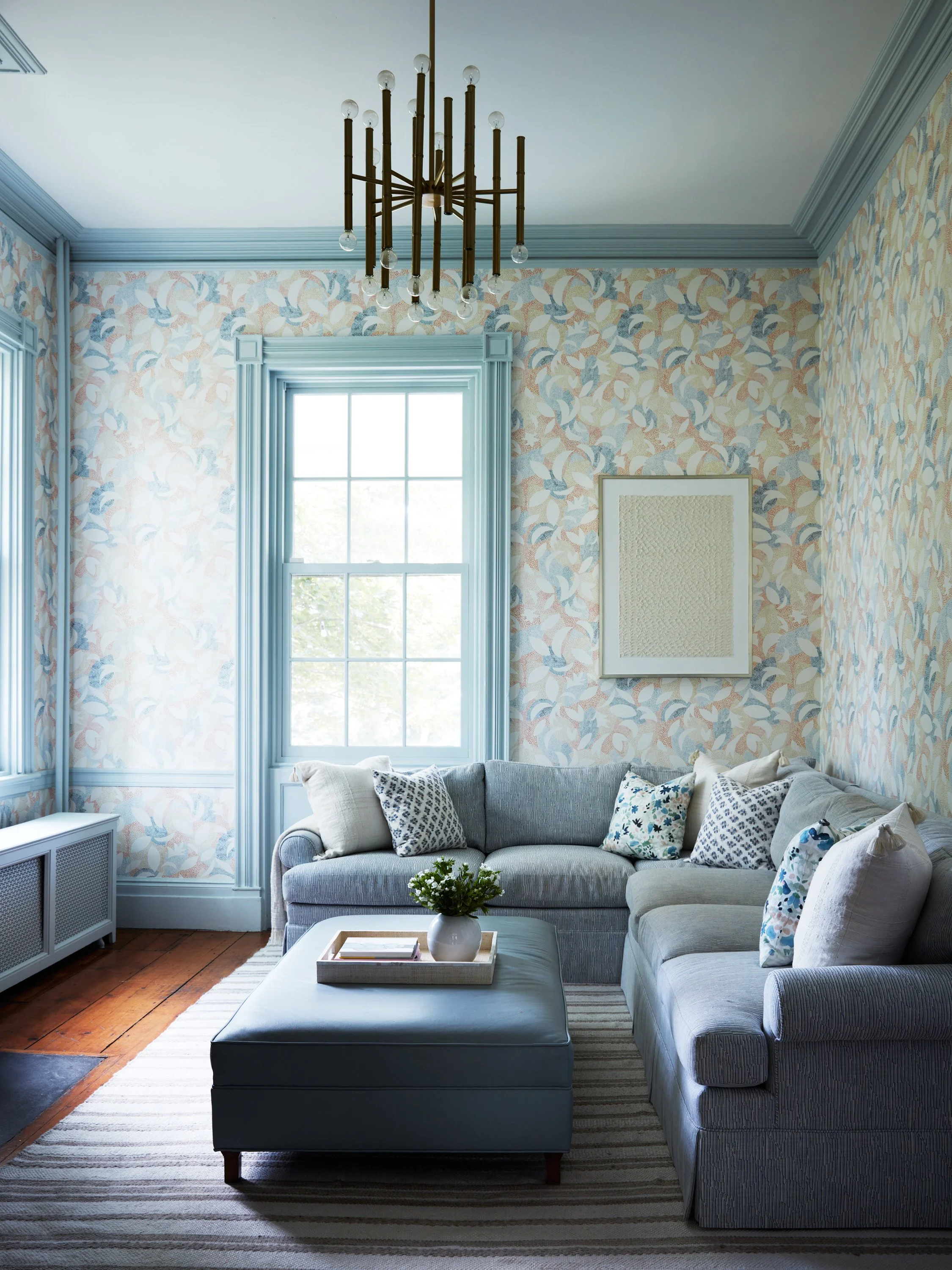
Wallpaper, painted trim, and tonal layering add warmth without overwhelming the architecture.
The Problem with Surface-Level Renovations
We see this often throughout Westchester County, particularly in older homes where additions and renovations have happened in phases over decades. A house in Scarsdale might have an incredible kitchen but disconnected living spaces. A Rye colonial may have beautiful original architecture, but lighting and finishes that feel overly stark against the character of the home.
The homes that ultimately feel the most successful are rarely the ones chasing trends. They’re the ones where the renovation quietly supports the way the family actually lives.
Balancing Modern Lifestyles with Classic Architecture
One of the biggest mistakes we see is overcorrecting toward minimalism. Clients often come in wanting clean, open spaces, but somewhere during the process, “clean” turns into removing every layer of texture, warmth, or contrast from the house. The result is technically beautiful but emotionally flat.
A well-designed home needs tension. For example, in a recent 1920s Tudor project in Scarsdale, we balanced the heavy, original dark millwork with soft, light-toned linens and modern fixtures to create that necessary contrast. You need older architecture paired with cleaner furnishings, and soft materials against stronger architectural lines. Rooms must feel polished but still capable of surviving a rainy Tuesday with kids, dogs, backpacks, and groceries everywhere.
That balance becomes especially important in full-home renovations throughout Larchmont and Bronxville, where families are trying to modernize their homes without losing the character that made them fall in love with the property in the first place. These are primary residences that need to support entertaining, school mornings, holidays, work-from-home schedules, and daily routines all at once.
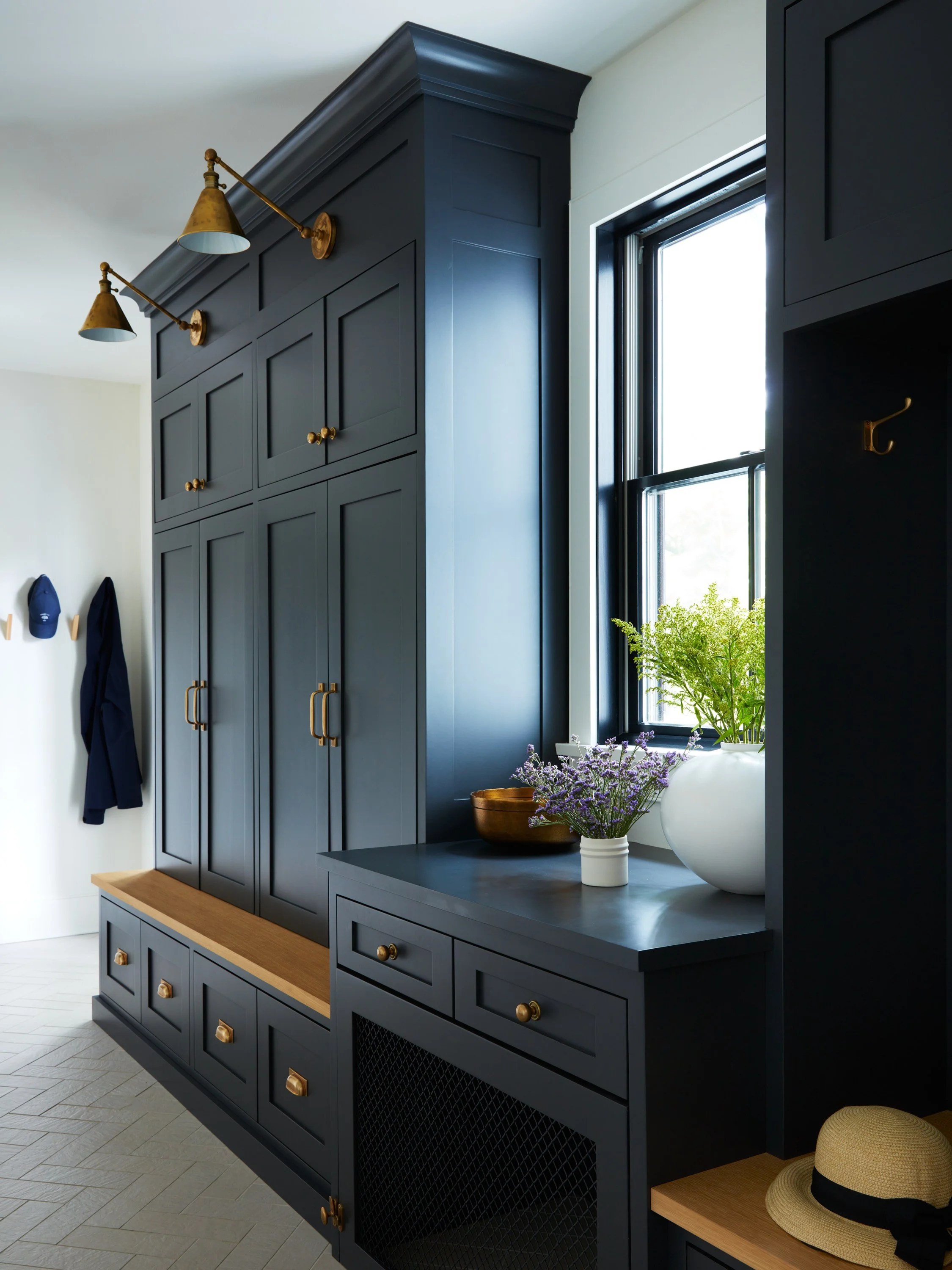
Architectural millwork and darker contrast help anchor newer renovations within older homes.
The Importance of Flow and Lighting
We often encourage clients to think less about individual rooms and more about how the house feels as a whole. The most successful renovations usually have consistency in scale, materials, and tone, even when every room doesn’t match exactly. That’s often what separates homes that feel layered and intentional from ones that feel pieced together over time.
Lighting also plays a much larger role than people expect. Many older homes in Bedford, Chappaqua, and Greenwich were not originally built for the way families live now, and renovations sometimes prioritize square footage over atmosphere. A beautiful kitchen with poor lighting still won’t feel inviting at night. The same goes for living rooms that rely entirely on recessed lighting without incorporating softer decorative sources.
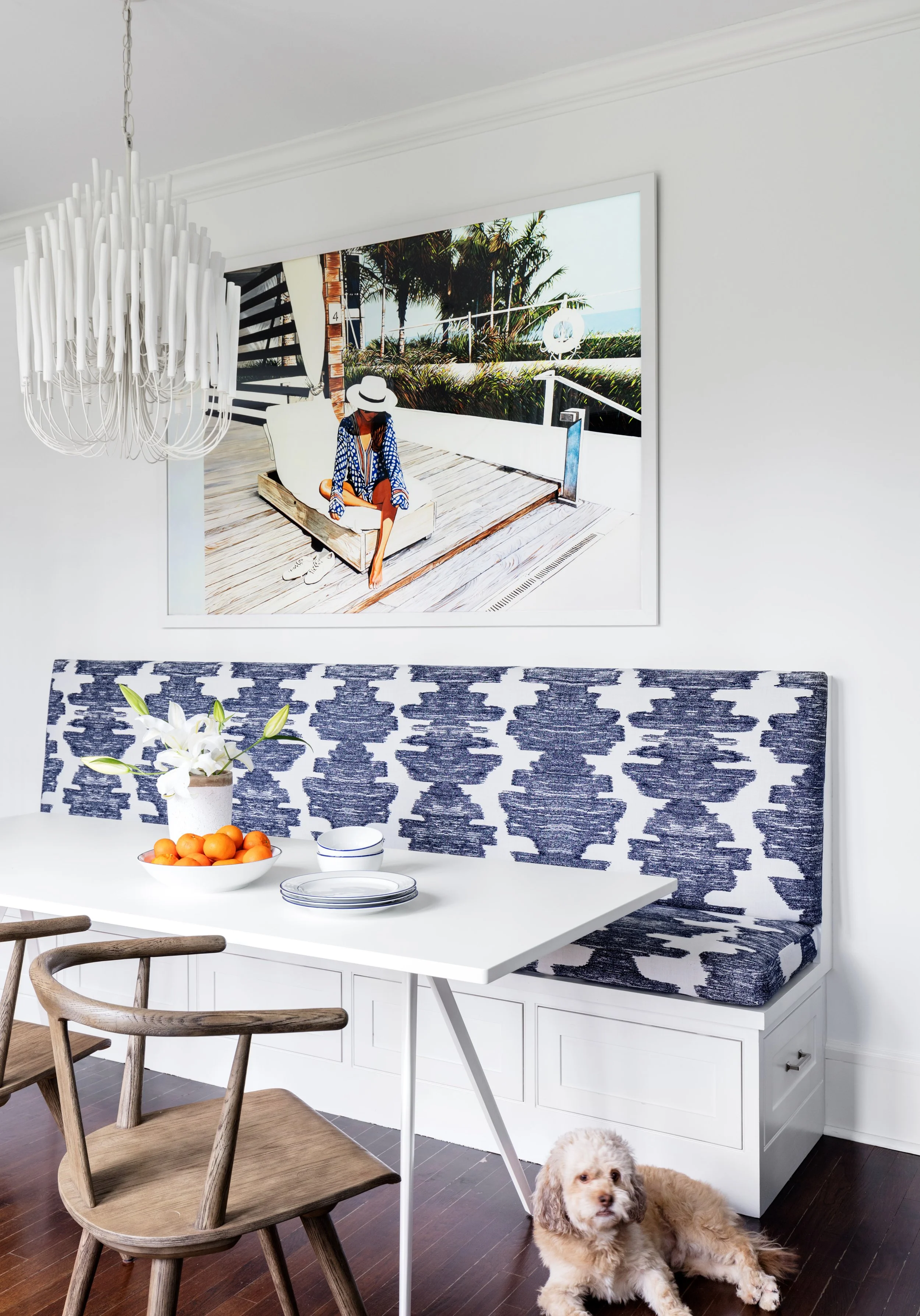
Built-in seating and durable materials make the space feel intentional and functional rather than overly formal.
Designing for Real Life
While social media has made clients far more visually informed, it has also made it easier to design around isolated inspiration images instead of the architecture of the home itself. What works in a modern California new build often feels disconnected inside a classic shingled home in Rye.
The goal of a renovation shouldn’t be to make a home look expensive for a reveal photo. It should be to create rooms that still feel calm, functional, and personal years later once life fully settles back in. The projects we’re most proud of are rarely the loudest ones. They’re the homes that feel grounded, warm, and deeply connected to the families living inside them - even after the novelty of the renovation wears off.
About the Author
Barrett Oswald is the founder of Barrett Oswald Designs, an award-winning interior design firm specializing in luxury renovations. With a focus on creating warm, functional, and highly personalized spaces, her team serves clients across Westchester County, Fairfield County, New York City, and Martha’s Vineyard.
Areas We Frequently Work In:
Larchmont • Scarsdale • Rye • Bedford • Bronxville • Chappaqua • Greenwich • Westchester County • New York City • Martha’s Vineyard